

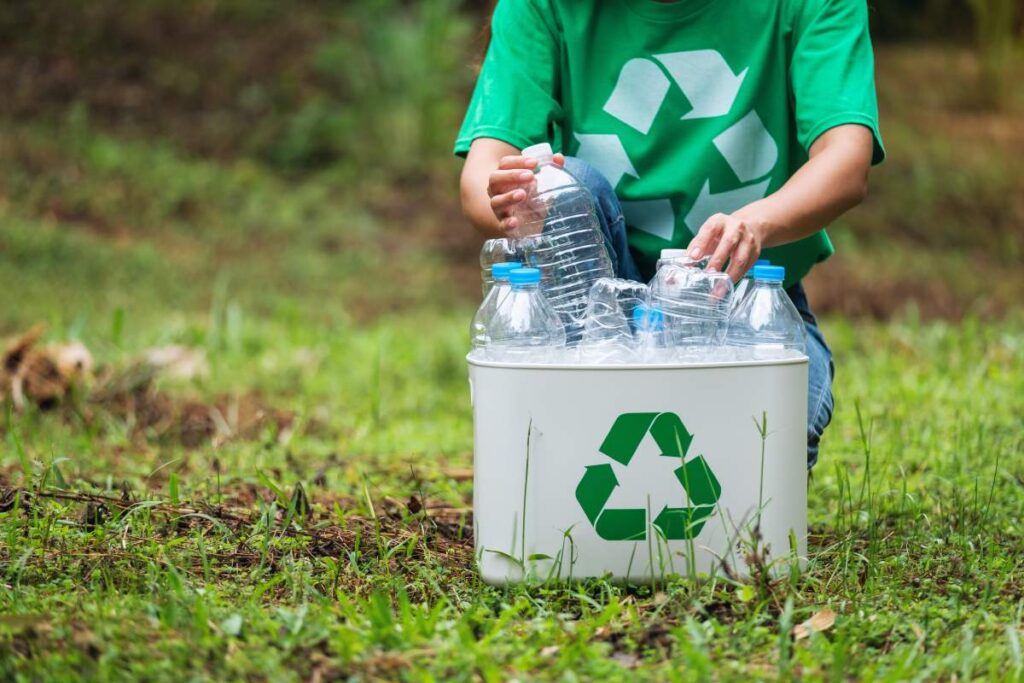
Recycling plastic at home is easiest when plastic containers are kept separate from paper and cardboard, emptied before disposal, and placed loose in the correct section of the recycling cart. For households in Brisbane, the recycling cart is divided by material: one side is for bottles and cans, while the other side is for paper and cardboard.
Which plastic items belong in the recycling cart?
The most commonly accepted household plastics are rigid containers such as:
- Plastic bottles
- Plastic tubs
- Plastic jars
- Plastic jugs
- Plastic trays and similar rigid containers
Examples include empty food tubs, shampoo bottles, detergent containers, and other household packaging that keeps its shape. The recycling system is intended for containers rather than loose plastic film or bags.
Plastic containers do not need to be flattened. Keeping them in their original shape helps make the material easier to identify and sort. Place them loose in the bottles-and-cans section of the cart rather than inside a plastic bag.
How should plastic containers be prepared?
A simple three-step routine works well:
1. Empty the container completely.
2. Scrape out remaining food or product.
3. Place it loose in the bottles-and-cans section.
A light rinse is helpful when a container still has residue, but extensive washing is unnecessary. The goal is to prevent liquid, food, or product from soaking other recyclables.
Caps and lids can generally remain attached to their containers. Loose, unattached pieces are small and can be difficult to recover, so keeping them attached is preferable when possible.
How are the two recycling sections used?
Many homes use a split recycling cart. The sections should not be treated as interchangeable.
Bottles and cans
Use this side for:
- Plastic bottles, tubs, jars, jugs, and rigid containers
- Metal cans
- Glass bottles and jars
Keep these items empty and loose. Containers do not need to be flattened before recycling.
Paper and cardboard
Use the other side for clean, dry paper and cardboard, including common household packaging and shipping material. Flatten larger cardboard boxes when needed so they fit neatly, but do not place paper or cardboard in the bottles-and-cans section.
Cartons are not accepted in recycling under this local sorting guidance, even though they may look similar to paper packaging.
Why should plastic stay out of the paper section?
Plastic containers and paper products are processed as different material streams. Placing plastic with paper can create confusion, increase contamination, and make it harder to recover clean paper fibers.
A convenient setup is to keep two small collection containers indoors: one for bottles and cans and another for paper and cardboard. In kitchens with limited space, a small reusable tub can collect empty plastic containers until they are transferred to the appropriate recycling section.
Should plastic bags go in the recycling cart?
No. Plastic bags and other flexible plastic film should not be placed in the recycling cart. They can wrap around sorting equipment and interfere with the handling of other materials.
Do not put recyclables inside plastic bags, either. Recycling should go into the cart loose. If a flexible plastic item has a separate collection option, follow the instructions for that program rather than placing it with curbside recycling.
What about plastic items labeled “compostable”?
A label such as “compostable,” “biodegradable,” or “made from plants” does not make a plastic-looking item appropriate for the green bin. The green bin is for organic materials that the local composting system is designed to process.
Grass trimmings and food scraps belong in the compost, or green, bin—not the trash. Food-soiled paper may also belong in the green bin under local organics rules.
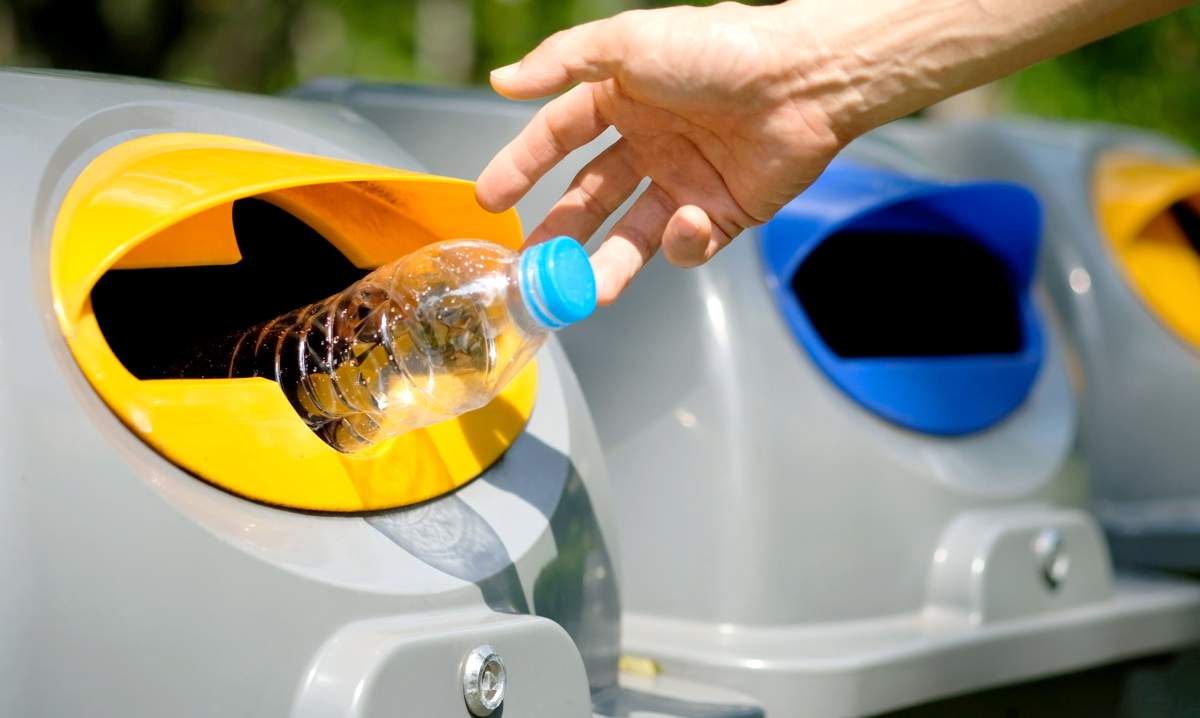
Kitchen pails may be lined with paper only. Plastic liners, including bio-plastic and “compostable” plastic liners, belong in the grey bin rather than the compost bin.
Where should bottles and jars made of glass go?
Only glass bottles and jars belong in recycling. Place them with the bottles-and-cans materials, separate from paper and cardboard.
Other glass items should not be treated as recycling simply because they are made of glass. If an item does not clearly fit the accepted bottles-and-jars category, check the local disposal instructions before putting it in a cart.
Do recycling numbers on plastic guarantee acceptance?
No. The number inside the recycling symbol identifies the type of plastic resin, but it does not by itself guarantee that an item belongs in the curbside recycling cart. Local programs accept materials based on the equipment and markets available for sorting and processing.
Shape and function are useful clues. A rigid household container is more likely to fit the accepted materials than a flexible wrapper, bag, film, or mixed-material package. When the packaging includes several bonded materials or does not resemble a container, it is best to verify the local instructions.
What should apartment and multifamily residents do?
In multifamily housing, recycling carts may be shared and may use different labels or lids. Look for the section marked for bottles and cans and keep paper and cardboard in the designated paper section.
Shared carts benefit from careful sorting because one misplaced bag or heavily soiled container can affect the surrounding materials. Empty containers before carrying them outside, and avoid leaving loose packaging beside an overflowing cart unless the property’s waste instructions specifically allow it.
How can recycling work better in a small home?
A few simple habits reduce sorting mistakes:
- Keep a small recycling container near the kitchen preparation area.
- Empty plastic containers as soon as they are finished.
- Separate bottles and cans from paper at the point of disposal.
- Keep recyclables loose rather than bagged.
- Store a small paper collection box near a desk or entryway.
- Check unusual packaging before placing it in a cart.
- Keep the cart lid able to close and avoid overfilling it.
Residents may also find it helpful to review the city’s current sorting guidance when a new type of packaging appears at home. Recycling rules can depend on local equipment, and a familiar-looking package is not always accepted in the same way everywhere.
What happens if an electronic item is placed in recycling?
Electronic items should not be placed in the recycling cart. If one is accidentally found there, it is separated for proper handling rather than treated as ordinary recyclable material. Batteries and other special items also require their own disposal instructions.
The safest routine is to keep electronics, batteries, and other unusual household items out of the recycling cart from the start. Regular recycling works best when the cart contains the materials it was designed to receive: bottles and cans in one section, and clean, dry paper and cardboard in the other.