

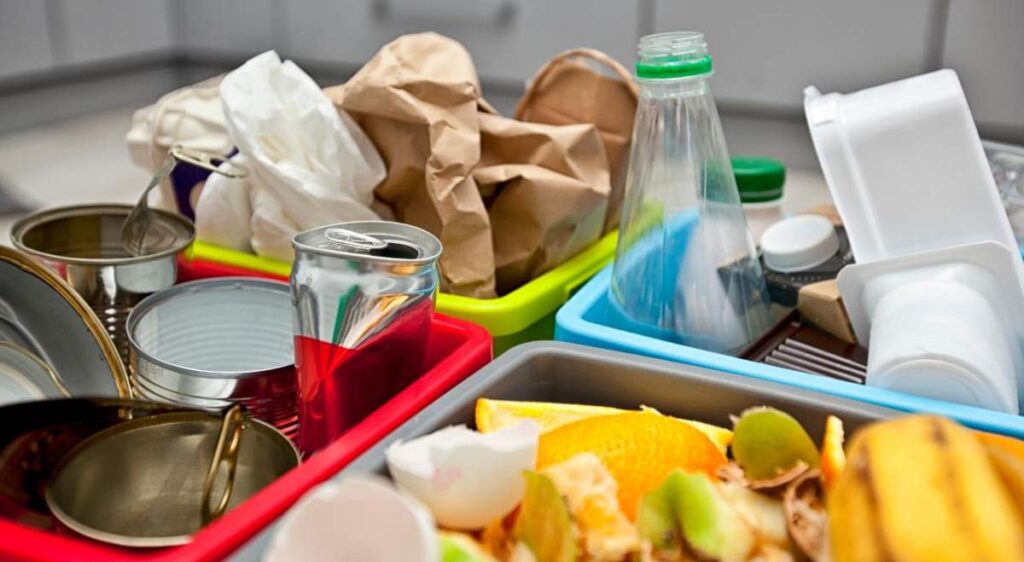
Reducing household waste does not require a major lifestyle change. The most effective approach is to prevent unnecessary waste, reuse items when practical, and sort remaining materials into the correct container.
For residents in Brisbane, CA, waste reduction also depends on using the three-container system correctly. Keeping food scraps, yard trimmings, recyclables, and garbage separate helps more materials move into composting or recycling instead of being discarded.
What is the simplest way to reduce household waste?
The simplest method is to look for waste before it enters the home. Buy only what is likely to be used, choose products with less packaging, and keep reusable items available for everyday routines.
A few practical changes can reduce waste quickly:
- Plan meals before grocery shopping to avoid buying food that will spoil.
- Use a shopping list and check the refrigerator, freezer, and pantry first.
- Choose durable products that can be repaired, refilled, or reused.
- Carry reusable bags, bottles, cups, and food containers.
- Avoid accepting extra napkins, utensils, bags, and packaging when they are not needed.
- Store leftovers in reusable containers and label food before refrigerating or freezing it.
Households in hillside neighborhoods, apartments, and smaller homes may have limited storage space. That makes buying fewer duplicates especially useful. A small, organized pantry can prevent forgotten food and reduce the need to discard expired items.
How should food scraps and yard trimmings be handled?
Grass trimmings and food scraps must go in the compost, or green, bin—not the trash. Food scraps include fruit and vegetable peels, bones, eggshells, coffee grounds, tea leaves, and cooked or moldy food.
Food-soiled paper can also belong in the green bin when it is suitable for the local organics program. Examples include certain food-soiled paper napkins, towels, and paper filters.
A kitchen pail makes collection easier. Line it with paper only, such as a sheet of newspaper or a paper bag. Do not use plastic liners, bio-plastic liners, or bags labeled compostable. Compostable and bio-plastic liners belong in the grey garbage bin because they are not processed as organic material in this system.
To reduce odors:
- Empty the kitchen pail regularly.
- Wrap especially wet scraps in paper.
- Keep the pail in a cool area or refrigerator if needed.
- Rinse the pail after emptying it.
- Avoid placing plastic packaging in the green bin, even if it appears to resemble paper or is labeled compostable.
During warmer periods, food scraps can become noticeable more quickly. Frequent emptying and paper lining can help keep the kitchen area cleaner without adding plastic waste.
What belongs in the recycling bins?
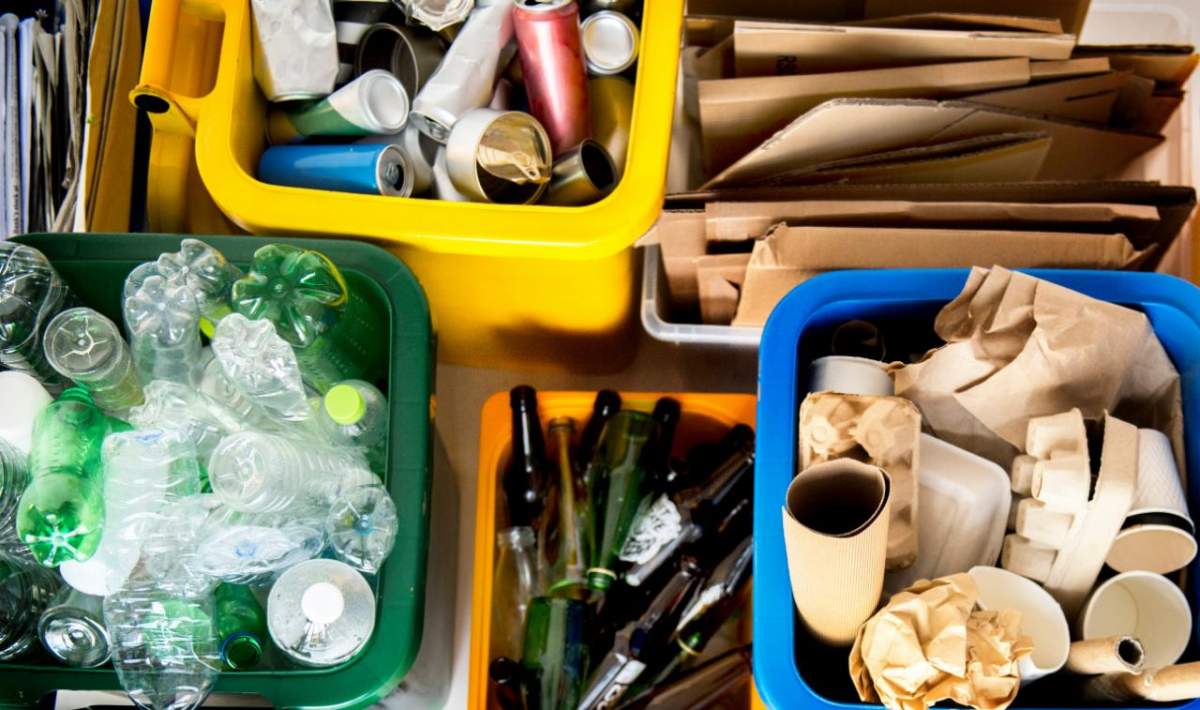
Recycling bins are split into two material groups. One side is for bottles and cans, while the other side is for paper and cardboard.
The bottles-and-cans side generally includes empty, scraped containers such as:
- Metal food and beverage cans
- Aluminum foil and trays when reasonably clean
- Plastic bottles, jugs, and tubs accepted by the local program
- Glass bottles and jars
Containers do not need to be flattened before recycling. Emptying and scraping them is usually enough. Lids may remain attached to many recyclable containers, but loose lids should not be placed in the recycling bin by themselves.
The paper-and-cardboard side is for clean, dry paper, paperboard, and cardboard. Flattening cardboard can save space, but it is not necessary to flatten bottles, jars, or tubs.
Cartons are not accepted in recycling. This includes beverage cartons and shelf-stable cartons. Check the material category carefully rather than relying only on recycling symbols or packaging claims.
A common mistake is placing one questionable item into a recycling bin because it seems close enough. A single incorrect item can contaminate other materials or make sorting more difficult. If an item is not clearly accepted, keeping it out of recycling is safer than guessing.
How can a household prevent food waste?
Food waste is often reduced through better timing and storage rather than major changes to shopping habits. Use foods that spoil quickly first, freeze extras, and plan meals around ingredients already available.
Helpful practices include:
- Store herbs, greens, and produce according to their moisture needs.
- Freeze bread, meat, and prepared meals before they are forgotten.
- Keep older food visible at the front of the refrigerator.
- Cook flexible meals that can use small amounts of leftover vegetables or grains.
- Serve smaller portions first and offer seconds when needed.
- Understand that a quality date does not always mean food must be discarded immediately.
Food that can no longer be eaten should go into the green bin, not the grey bin. Keeping a small container near food preparation areas makes correct sorting easier.
What household items can be reused?
Many items are discarded because they are inconvenient to store, not because they have reached the end of their useful life. Before throwing something away, consider whether it can serve another purpose.
Examples include:
- Reusing sturdy containers for storage
- Using one-sided paper for notes or household lists
- Repurposing clean boxes for organizing drawers
- Repairing small household items when replacement is unnecessary
- Donating usable clothing, books, and housewares through appropriate community channels
- Sharing infrequently used tools or equipment with neighbors or family
Reuse does not mean keeping everything. If an item is broken, unsafe, moldy, or unlikely to be used, it may be better to dispose of it properly rather than allowing clutter to accumulate.
How can residents make waste sorting easier?
Set up the home so the correct choice is convenient. Place a small recycling container near desks or mail areas, keep the kitchen pail close to food preparation space, and position garbage where it does not become the default for every item.
A simple three-question check can help:
1. Is it food or yard material? Use the green bin.
2. Is it an accepted bottle, can, glass bottle or jar, or clean dry paper and cardboard? Use the appropriate recycling side.
3. Is it neither of those? Use the grey garbage bin.
Households should also keep batteries, electronics, and other special materials out of regular carts. E-waste found in recycling is separated for proper handling, but placing it in the correct designated collection stream is the better practice. Batteries can create fire risks when mixed with ordinary waste, so they should be handled through an approved collection option.
The most reliable waste-reduction routine is not complicated: purchase carefully, use items fully, keep food scraps and yard trimmings in the green bin, separate recycling by material type, and avoid placing uncertain items in the wrong container. Consistent sorting at home makes the local collection system work more effectively.